
AU 2025: Autodesk Unveils Generative AI Foundation Models for Fusion and Forma
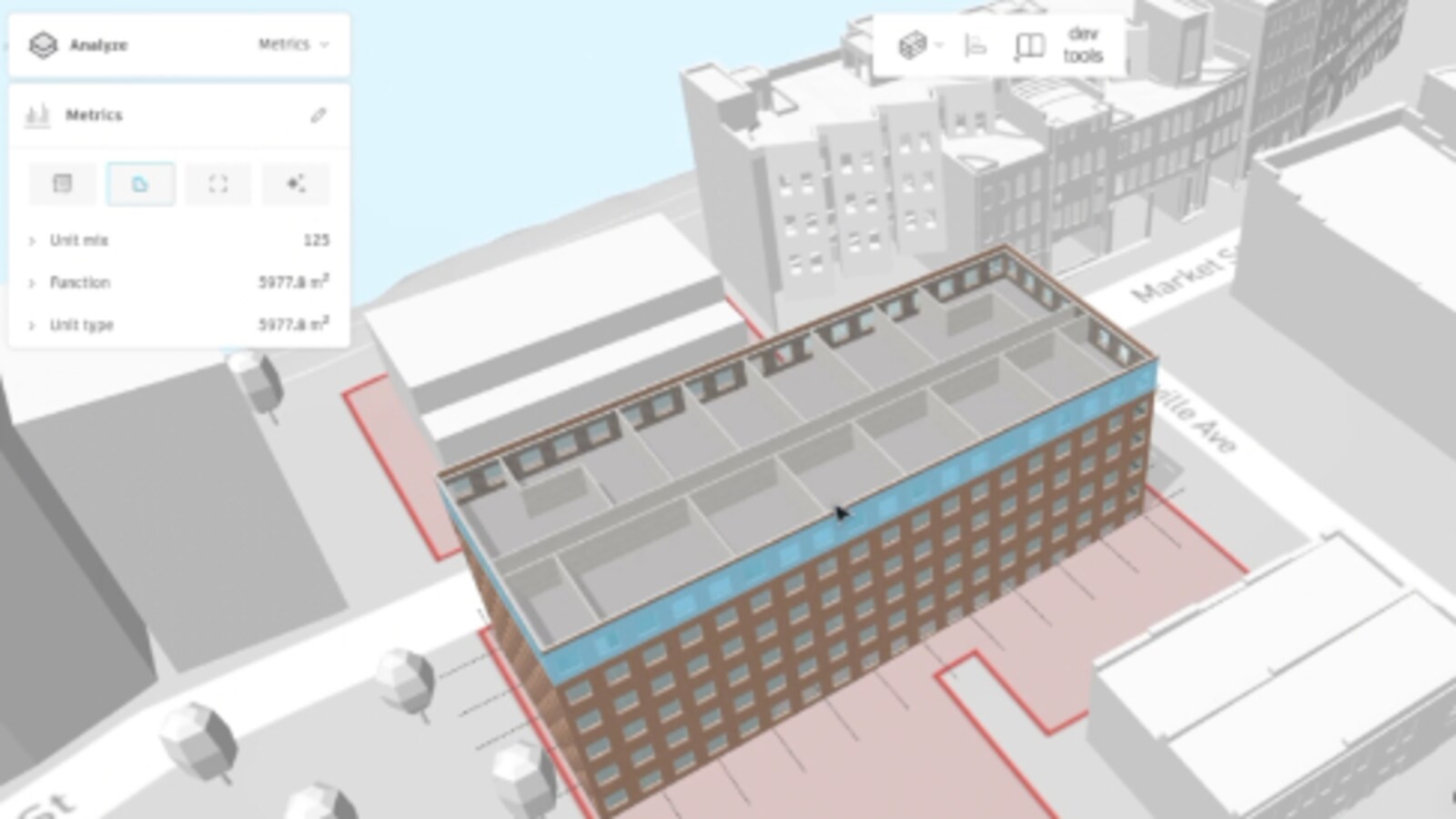
At Autodesk University 2025 (AU 2025), Autodesk introduced its next-generation 3D generative AI foundation models for Fusion and Forma, signaling a major leap in computer-aided design (CAD) technology. Branded as neural CAD, these models aim to help designers and architects move seamlessly from initial ideas to detailed project execution.
Neural CAD: AI-Powered Generative Design
The highlight of Autodesk’s announcement is neural CAD, a new class of AI that understands and generates CAD objects and architectural systems directly from text prompts. Unlike traditional parametric CAD engines that have defined design workflows for decades, neural CAD can instantly transform conceptual sketches into detailed layouts, plans, and system designs.
For the architecture, engineering, and construction (AEC) sector, this means faster iterations, better cost and sustainability analysis, and more efficient exploration of design options—well before project execution.
AutoConstrain: Smarter, Faster Workflows
Autodesk also showcased an upgrade to its AutoConstrain feature in Fusion. Originally launched earlier this year, AutoConstrain automatically applies constraints to drawings, reducing repetitive manual adjustments. Now integrated with the neural CAD models, AutoConstrain streamlines both early-stage design generation and final refinements, making workflows more intuitive and collaborative.
AI Research to Real-World Application
These innovations stem from Autodesk’s AI Lab, established in 2018, which has focused on teaching AI to understand geometry, real-world systems, and industrial processes. The models are trained not only on CAD geometry but also on manufacturing methods, construction practices, and tool path efficiency.
Future versions are expected to support enterprise-level customization, allowing companies to fine-tune models with proprietary data and workflows for domain-specific applications.
Transforming the Future of CAD
With neural CAD and AutoConstrain, Autodesk is positioning itself at the forefront of AI-driven design. The company envisions a future where CAD is no longer constrained by rigid parametric systems but powered by generative AI that enables rapid iteration, seamless transitions, and more creative freedom.
As Autodesk continues refining these tools, industry experts see this as the beginning of a transformative era—where AI becomes a core driver of design and manufacturing innovation.
Get More Insights: precedenceresearch.com

- ESG Software Market 2025: Comprehensive Key Players Ecosystem and Revenue Outlook - May 20, 2026
- ESG Software Market Worth Around USD 31.96 Billion by 2035 - May 20, 2026
- Hematopoietic Stem Cell Transplantation Market Size to Attain USD 24.32 Billion by 2035 as Precision Medicine and AI Reshape Blood Cancer Treatment - May 20, 2026
