
Case Study: AMD (Advanced Micro Devices, Inc.) – Powering the Next Wave of AI PCs through Fabless Innovation
Headquarters: Santa Clara, California, United States
Offering: CPUs and AI Accelerators for Cloud and PCs
Introduction: Redefining the Role of AI in Everyday Computing
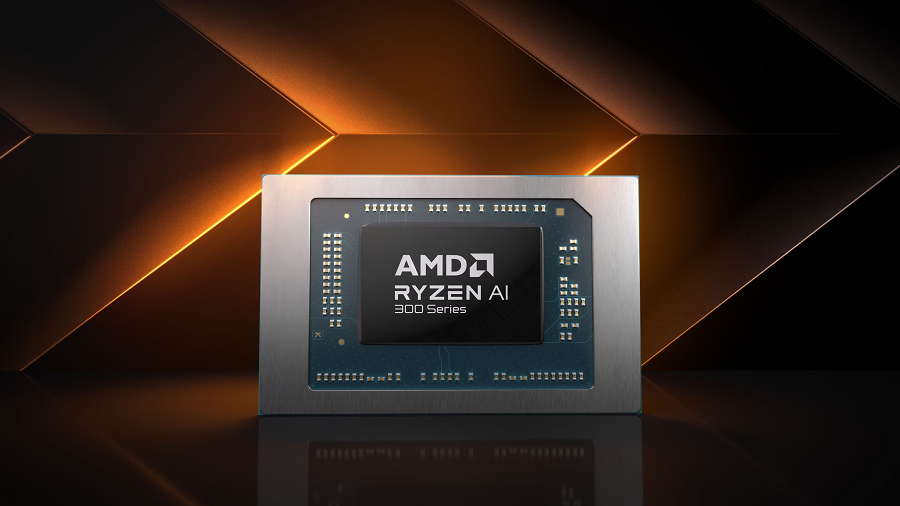
In 2025, Advanced Micro Devices, Inc. (AMD) once again demonstrated its prowess as a global innovator in the fabless semiconductor industry. Renowned for its agility, efficiency, and technological leadership, AMD’s 2025 milestone came with the launch of the Ryzen AI 300 Series, a revolutionary family of processors built on the company’s cutting-edge Zen 5 architecture.
These processors marked a new era of on-device artificial intelligence (AI), integrating a dedicated Neural Processing Unit (NPU) to accelerate AI workloads locally. The move reflected AMD’s broader strategy to decentralize AI computation—bringing intelligence directly to personal computers rather than relying solely on cloud-based systems. This shift not only enhanced user experience and privacy but also positioned AMD as a central player in the rapidly expanding AI PC market, competing head-to-head with Intel and Apple Silicon.
Case Study: Launch of the Ryzen AI 300 Series
In mid-2025, AMD officially introduced its Ryzen AI 300 Series processors, featuring the Zen 5 CPU architecture paired with an upgraded RDNA 3.5 GPU and a powerful XDNA 2-based NPU. These processors represented the company’s first major step toward deeply integrated, hybrid compute platforms optimized for artificial intelligence workloads.
The Ryzen AI 300 lineup was specifically designed to support on-device generative AI, enabling real-time content creation, image enhancement, translation, and speech recognition without requiring an active internet connection. This innovation bridged the gap between traditional CPU-GPU performance and the specialized acceleration needed for modern AI-driven software applications.
AMD’s AI-centric vision aligned perfectly with Microsoft’s Copilot+ PC initiative, which aimed to make AI capabilities standard in Windows-based laptops and desktops. By embedding the NPU directly into the processor, AMD empowered developers and OEMs to integrate next-gen AI features into productivity and creative software suites—ranging from photo editing to intelligent task automation.
Technology Highlights: Inside the Zen 5 and XDNA 2 Architecture
The Zen 5 architecture was at the heart of AMD’s 2025 performance leap. Built on TSMC’s advanced 4nm process, the new design achieved significant gains in instruction-per-clock (IPC) performance, energy efficiency, and parallel compute capability.
Key technological advancements included:
-
Integrated XDNA 2 NPU: Capable of delivering over 50 TOPS (trillions of operations per second) for AI inference tasks, the NPU enabled real-time generative AI operations such as summarization, image generation, and local translation.
-
Hybrid Compute Framework: Combined CPU, GPU, and NPU units worked seamlessly under AMD’s unified AI architecture, optimizing workloads dynamically based on performance requirements.
-
Microsoft Pluton Security Integration: Hardware-level encryption and memory isolation ensured end-to-end data protection during AI computation, addressing the growing demand for privacy-first processing.
-
AI Efficiency Optimization: The Zen 5 cores achieved up to 40% better power efficiency compared to the Zen 4 generation, making them ideal for ultrathin laptops and energy-conscious enterprise deployments.
AMD’s innovative chiplet design further improved manufacturing flexibility and cost efficiency—key advantages of its fabless model. This modular approach allowed AMD to scale performance across multiple product lines without major redesign costs, reinforcing its competitiveness against vertically integrated rivals.
Outcome: Redefining Performance and Productivity for AI PCs
The market response to the Ryzen AI 300 Series was overwhelmingly positive. Within months of launch, major OEMs including HP, Dell, ASUS, and Lenovo integrated the new chips into their AI-ready laptop portfolios.
The results were transformative:
40% increase in computing efficiency for AI-assisted workflows, enabling smoother operation for multitasking, creative applications, and automation tools.
50% faster response time for on-device generative AI tools compared to prior Ryzen generations.
Strengthened strategic partnerships with Microsoft for the Copilot+ ecosystem and HP for AI-powered business laptops.
Users experienced tangible benefits such as faster background task execution, adaptive power management, and privacy-friendly local AI processing—allowing professionals and creators to operate more efficiently without compromising data security.
Protectional Features: Security Meets Intelligence
AMD placed significant emphasis on data protection and system resilience, recognizing that AI-enabled devices handle increasingly sensitive information.
The integration of Microsoft’s Pluton Security Processor within Ryzen AI chips ensured hardware-based protection against firmware tampering, identity theft, and memory attacks. Additionally, AMD’s Secure Memory Encryption (SME) and Secure Encrypted Virtualization (SEV) technologies provided isolation for AI workloads, safeguarding user data even in multi-tenant environments.
These hardware-level protections built user confidence in adopting on-device AI, reinforcing AMD’s brand reputation for reliability, enterprise-grade security, and technological trustworthiness.
Impact on the Semiconductor Fabless Market
AMD’s 2025 launch reshaped the AI PC segment, one of the fastest-growing niches within the semiconductor landscape. By bridging the gap between traditional CPU performance and dedicated AI acceleration, AMD demonstrated how fabless companies could disrupt markets traditionally dominated by vertically integrated manufacturers.
The success of Ryzen AI 300 accelerated the global adoption of AI-enabled personal computers, influencing both consumer and enterprise purchasing decisions. It also prompted a wave of competitive innovation—Intel’s Lunar Lake processors and Qualcomm’s Snapdragon X Elite platform both followed similar design philosophies, validating AMD’s early bet on on-device AI computing.
From an industry perspective, AMD’s achievement showcased the power of the fabless model in driving flexibility and innovation. By outsourcing fabrication to TSMC and focusing internal resources on architecture design and AI software integration, AMD could rapidly adapt to evolving market needs while maintaining cost efficiency and scalability.
Financial Performance After Implementation
AMD’s strong product portfolio and successful execution in 2025 translated into impressive financial performance. The Client Segment revenue, which includes PC and notebook processors—rose to USD 9.5 billion, marking a 28% year-over-year growth.
This growth was primarily driven by the AI-enabled PC segment, which accounted for a significant share of new laptop shipments worldwide. The company’s gross margins improved, aided by high-value NPU-integrated products and increasing demand from enterprise customers seeking AI-ready hardware solutions.
Moreover, AMD’s market capitalization surged as investors recognized its leadership in the hybrid compute domain. The company’s expanding collaborations with Microsoft, HP, and Lenovo positioned it strategically within the broader AI computing ecosystem, securing long-term growth prospects in both the consumer and enterprise sectors.
Conclusion: AMD’s Pivotal Role in the AI Computing Revolution
AMD’s 2025 success story stands as a powerful example of fabless semiconductor excellence driving digital transformation. The Ryzen AI 300 Series not only redefined what personal computing could achieve but also demonstrated the effectiveness of combining architectural innovation with ecosystem collaboration.
By integrating NPUs directly into its CPUs, AMD bridged the gap between cloud-based AI and local computing, ushering in a new generation of intelligent, secure, and energy-efficient PCs. Its partnership with TSMC underscored the scalability and cost efficiency of the fabless approach, while collaborations with Microsoft and HP validated its leadership in AI-driven computing solutions.
In essence, AMD’s 2025 journey exemplified how innovation without fabrication can revolutionize an entire industry. The company’s ability to balance performance, security, and energy efficiency positioned it at the forefront of the global semiconductor renaissance, powering smarter devices, empowering users, and accelerating the transition toward an AI-first computing world.
Dive into the full analysis here: https://www.precedenceresearch.com/semiconductor-fabless-market

- ESG Software Market 2025: Comprehensive Key Players Ecosystem and Revenue Outlook - May 20, 2026
- ESG Software Market Worth Around USD 31.96 Billion by 2035 - May 20, 2026
- Hematopoietic Stem Cell Transplantation Market Size to Attain USD 24.32 Billion by 2035 as Precision Medicine and AI Reshape Blood Cancer Treatment - May 20, 2026
