
Case Study: Google’s AI Cooling System: Transforming Data Center Efficiency
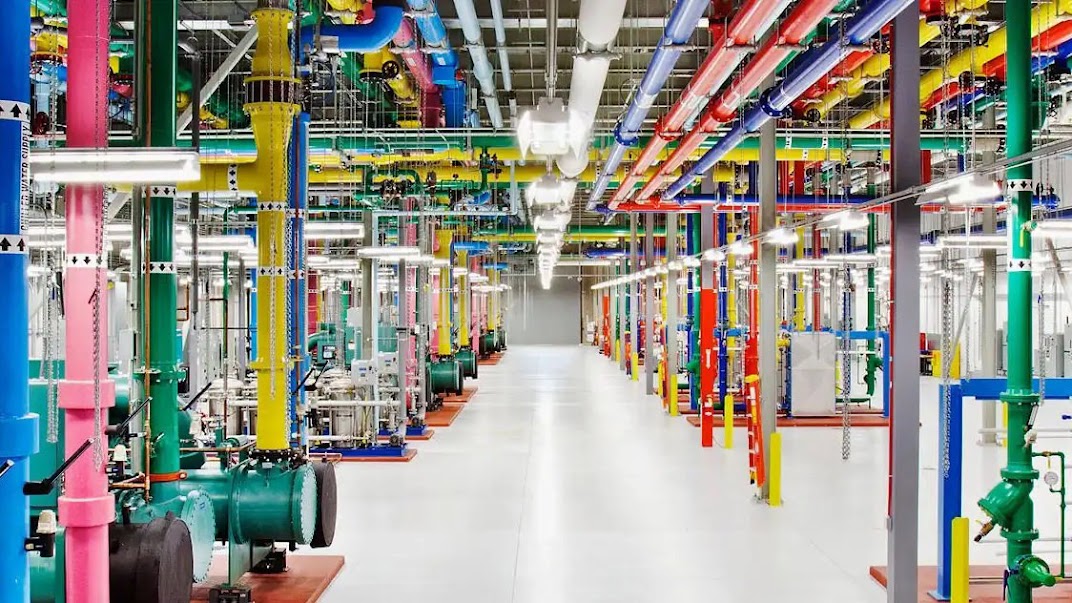
Problem
Google operates some of the largest data centers in the world, which require significant amounts of energy not only to power servers but also to maintain optimal temperatures. Traditional cooling systems relied heavily on static parameters and manual monitoring, leading to:
-
High operational and maintenance costs.
-
Energy inefficiencies caused by overcooling or undercooling.
-
Risk of overheating and potential downtime affecting service reliability.
-
Increased environmental impact due to excessive energy consumption.
The challenge was to develop a smarter, scalable system to reduce costs, improve efficiency, and minimize downtime without compromising reliability.
Solution
Google partnered with its AI subsidiary, DeepMind, to implement an AI-controlled data center cooling system.
Key features of the solution included:
-
Predictive Analytics: Leveraging historical and real-time data (temperature, humidity, workload, energy loads) to forecast cooling needs.
-
Real-Time Optimization: AI algorithms adjusted fans, pumps, and chillers dynamically to maintain optimal cooling with minimal energy.
-
Self-Learning Capability: The system continuously learned and refined its strategies for greater efficiency over time.
-
Safety Protocols: Human engineers defined operational boundaries, ensuring the AI operated safely within pre-set limits.
Results
The implementation delivered measurable financial, operational, and environmental benefits:
-
40% Reduction in Cooling Energy Costs: AI-driven optimization cut the energy required for cooling.
-
Up to 40% Lower Maintenance Costs: Reduced strain on equipment extended component lifespans and minimized repair needs.
-
Enhanced Reliability: Predictive monitoring helped prevent overheating, reducing downtime risks.
-
Improved Sustainability: Lower energy usage reduced Google’s carbon footprint, aligning with its carbon-neutral targets.
-
Operational Efficiency: Engineers were freed from constant manual adjustments, enabling them to focus on strategic system improvements.
Implications
Google’s success with AI-driven cooling demonstrates the transformative potential of AI in data center and infrastructure management:
-
For Data Center Operators: Provides a scalable model to improve cost-efficiency, reliability, and sustainability.
-
For the Energy Sector: Highlights AI’s ability to optimize energy consumption in real time, supporting renewable integration and grid efficiency.
-
For Corporate Strategy: Reinforces the value of AI adoption not just as a cost-saving tool, but also as a driver of environmental, social, and governance (ESG) performance.
-
Industry-Wide Impact: Establishes a benchmark case that encourages other enterprises to adopt AI-driven operational technologies.
Google’s AI Cooling System showcases how machine learning can dramatically enhance operational efficiency, cut costs, and support sustainability goals. This case study highlights the financial and strategic advantages of integrating AI into critical infrastructure.

- ESG Software Market 2025: Comprehensive Key Players Ecosystem and Revenue Outlook - May 20, 2026
- ESG Software Market Worth Around USD 31.96 Billion by 2035 - May 20, 2026
- Hematopoietic Stem Cell Transplantation Market Size to Attain USD 24.32 Billion by 2035 as Precision Medicine and AI Reshape Blood Cancer Treatment - May 20, 2026
